Read The Past Through Evidence
Learn how archaeologists survey sites, read stratigraphy, record artifact context, and build careful interpretations from field notes, maps, photographs, and simulated excavation evidence.
Field Observation
Find Recording
A Clearer Way To Study Evidence
Context First
Careful Recording
Cautious Interpretation
The exercises helped me stop looking at artifacts as isolated objects. I now pay closer attention to layers, coordinates, labels, and the details that make a find meaningful.

Shingo Nakata
LOOK BEYOND THE OBJECT
Understand How Archaeological Evidence Is Read
Core Archaeology Practice
01.
Read Site Context
Study how layers, soil changes, features, depth, and provenience reveal the sequence of activity at an archaeological site.
02.
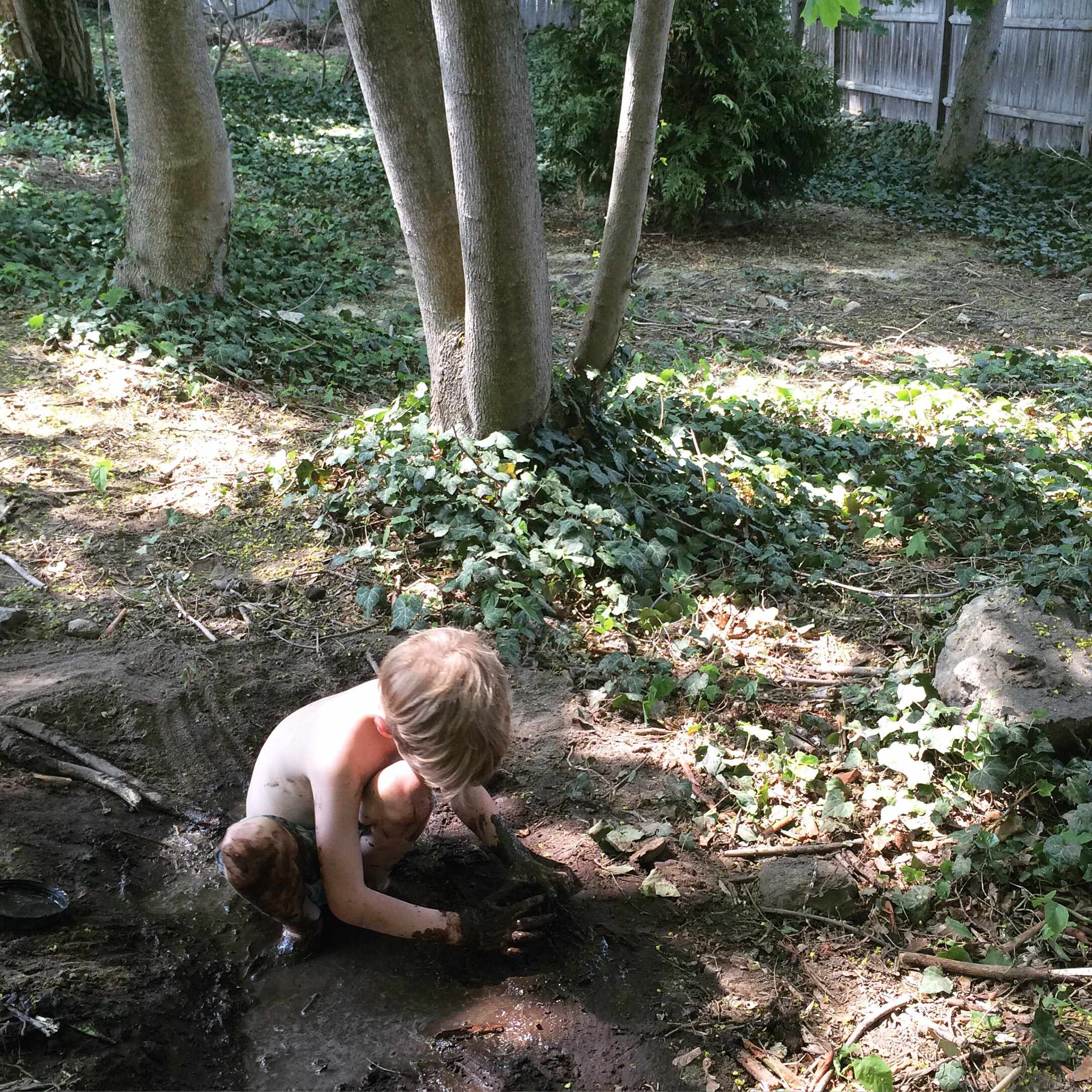
Record Every Find
Practice using field notes, coordinates, photographs, sketches, context sheets, and find numbers before evidence is moved.
03.
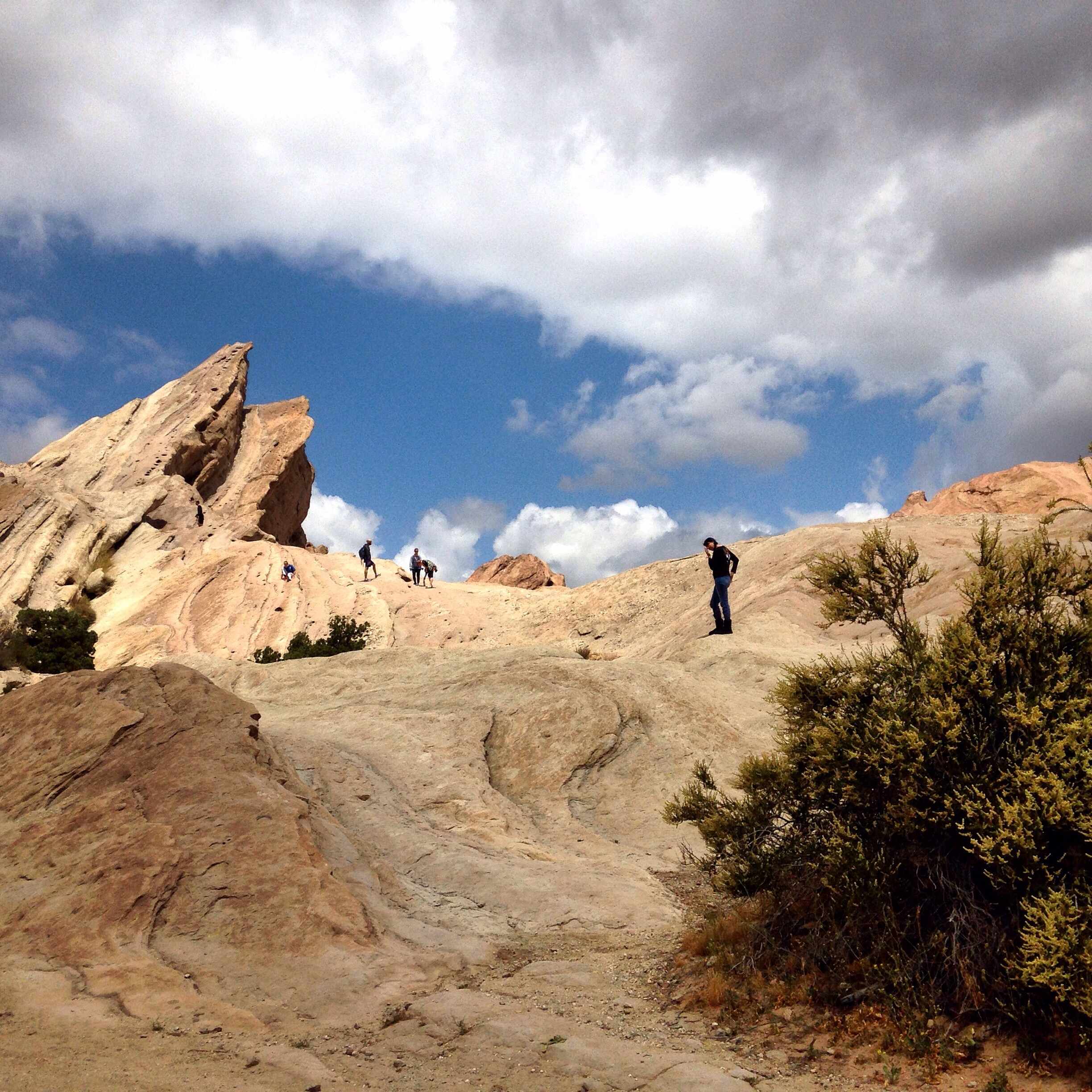
Interpret With Care
Compare material, form, condition, and surrounding evidence without turning an early possibility into an unsupported conclusion.
Three Steps From Site To Record
Observe The Deposit
Examine soil color, boundaries, inclusions, depth, and visible disturbances before deciding what the layer may represent.
Document The Context
Add coordinates, a find number, photographs, labels, and a clear written description while the evidence remains in place.
Review The Evidence
Compare notes, plans, sections, and artifact details to form a cautious interpretation supported by the recorded context.