Questions Before Reading The Evidence?
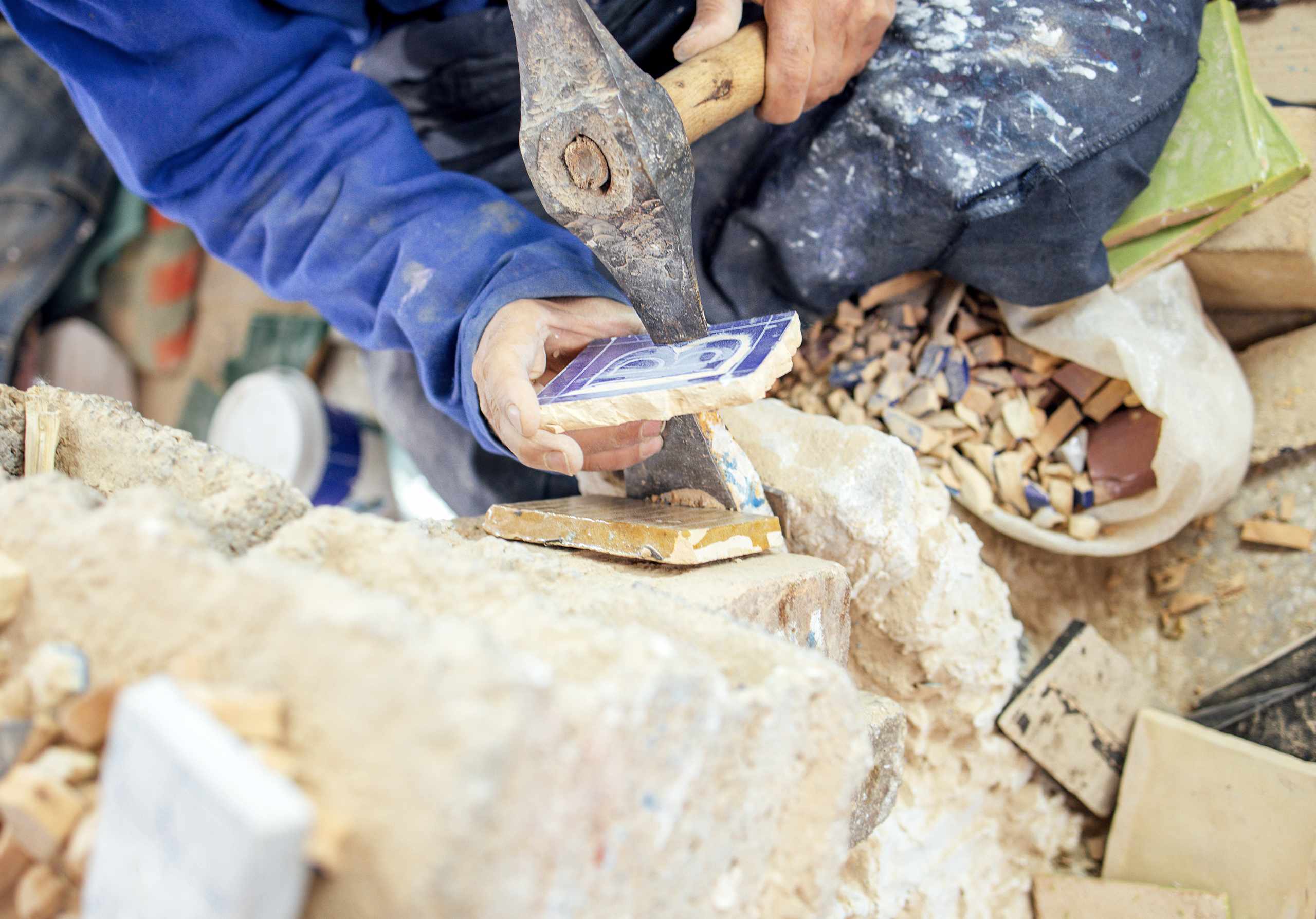
RelicDig approaches archaeology as a careful process of observation, recording, and interpretation. Instead of treating an artifact as an isolated discovery, the course shows how its layer, coordinates, surrounding soil, condition, and relationship to nearby features shape what can responsibly be said about it. Beginner exercises use photographs, maps, simulated deposits, field sheets, and replica materials to make these principles easier to examine without encouraging unsupervised excavation.
Practice Built Around Context
The learning method follows the same basic logic used in archaeological recording: observe what is present, document its position, and only then consider what the evidence may mean.
Evidence Before Explanation
Learners describe soil color, material, depth, boundaries, and visible condition before assigning an age, function, or historical story.
Records That Stay Usable
Exercises connect find numbers, coordinates, photographs, labels, plans, and field notes so that each piece of information remains traceable.
Questions About The Course Approach
Does the course involve real excavation?
The course introduces excavation principles through supervised-style examples, site photographs, stratigraphic diagrams, simulated deposits, and mock recording tasks. It does not grant permission to excavate land or encourage learners to remove archaeological material independently.
What practical work will I complete?
Practice may include identifying layers and disturbances, reading a grid, assigning mock find numbers, writing context descriptions, drawing simple plans and sections, and comparing photographed artifacts by material, form, surface, and condition.
Do I need archaeology experience?
No previous field experience is assumed. Key terms such as context, provenience, stratigraphy, feature, deposit, assemblage, and relative dating are introduced through concrete examples before they are used in more detailed recording exercises.
Notes From The Archaeology Record
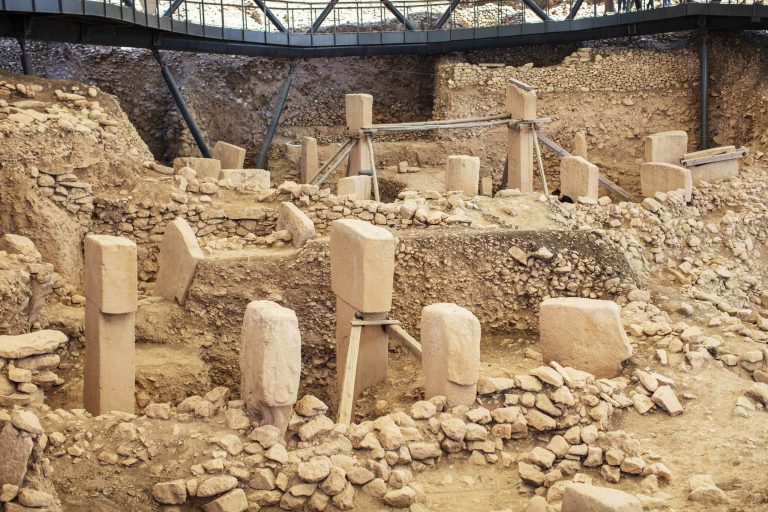
Why Archaeological Context Is Important For An Archaeological Find
Even if you pick up a piece of pottery next to a wall, it doesn’t necessarily…
How to Read a Simple Archaeological Stratigraphy Diagram
Draw four irregular, horizontal areas on a piece of paper. Put the letter A on the…